---
title: "Sharing Your Commission with Your Counselors: The Good, the Bad, and the Ugly"
description: "Let’s talk about sharing your commission with your team. By the end, you’ll have a solid game plan for creating a program that works for everyone in your education agency."
date: "2025-01-19"
category: "Business strategy"
keywords: "Business strategy"
author: "Raphael Arias"
cover: "/images/blog/blog-sharing-your-education-agency-commission-with-counselors.jpg"
lang: "en"
wordCount: 2357
url: https://qualyhq.com/blog/sharing-your-education-agency-commission-with-counselors
---
## Site navigation

- [For schools](/international-education/for-schools.md) — For international education schools
- [For agents](/international-education/for-education-agents.md) — For international education agents
- [Explore](/training.md) — Watch videos on how to use Qualy
- [About](/about.md) — Learn about Qualy's mission and values
- [Pricing](/pricing)
- [5-min demo](/demo.md)
- [Login](https://dashboard.qualyhq.com)

# Sharing Your Commission with Your Counselors: The Good, the Bad, and the Ugly

> Let’s talk about sharing your commission with your team. By the end, you’ll have a solid game plan for creating a program that works for everyone in your education agency.

Yes, sharing commission with your counselors is usually worth it: it incentivizes performance, builds loyalty, and turns employees into stakeholders. But it only works with guardrails. Define clear goals, keep the structure transparent, add caps, thresholds and clawbacks, automate payouts, and review regularly so disputes and runaway payouts don't sink it.

If you’re an education agent, you know that your counselors—your sales reps—are the lifeblood of your business. They’re the ones guiding students, closing deals, and representing your agency on the front lines. (It also raises a thornier question: [what if a counselor leaves to start their own agency?](/blog/should-agents-fear-their-counselors-will-start-their-own-education-agency.md)) So, what happens when you introduce commission sharing into the mix? Let’s talk about the good, the bad, and, yes, the downright messy aspects of sharing your commission with your team. By the end, you’ll have a solid game plan for creating a program that works for everyone—without losing sleep over spreadsheets or disputes.

# 👍 The Good: Why Sharing Commission Can Be a Game-Changer

At first glance, sharing commission might feel like giving away a piece of your pie. But here’s the thing: it’s often the secret sauce to building a motivated and high-performing team.

- **Incentivizes Performance:** Sales reps thrive on incentives. When counselors know they’ll get a slice of the commission, they’re more likely to hustle for that student enrollment or placement. Who wouldn’t want their team’s energy levels dialed up to eleven?
  
- **Fosters Loyalty:** Let’s face it: turnover in the education sector can be brutal. By rewarding your team’s hard work with a fair share of the earnings, you’re investing in long-term loyalty. A counselor who feels valued is less likely to jump ship for a competitor.

- **Creates Ownership:** Sharing commission transforms your team from employees to stakeholders. When they have skin in the game, their decisions often align more closely with the company’s goals.

Think about it: when your team knows their success directly impacts their income, they’re likely to go the extra mile. Imagine the difference between someone just doing their job versus someone who treats every student as a personal win. The energy shift is real—and it’s contagious.

But—and this is a big but—it’s not all sunshine and rainbows. Let’s shift gears.

# 👎 The Bad: Where Things Can Go Sideways

As great as commission sharing sounds, it’s not without its pitfalls. Here are some common headaches you might face:

- **Disputes Over Fairness:** What’s a fair percentage? Should every rep get the same share, or should it vary based on experience or performance? These questions can spark friction and, if not addressed early, can poison team dynamics. Imagine the tension if someone feels underpaid compared to a peer.

- **Overcomplication:** Picture this: multiple offices, varying commission rates, and a mix of full-time and part-time staff. If your system isn’t airtight, you’ll drown in admin work. The more variables you add, the higher the chance for errors and misunderstandings.

- **Dependency Risk:** Here’s a tough pill to swallow. If a high-performing rep decides to leave, they might take their clients or contacts with them. A commission structure that isn’t well thought out can amplify this risk. Do you have a plan to safeguard your client base?

- **Overperformance Backfires:** Sounds odd, right? But imagine a sales rep outselling everyone else. Without caps or thresholds in place, you might end up with one person pocketing a disproportionate share of your profits. It’s like a runaway train—exciting, but potentially disastrous.

And let’s not forget the human element. People are unpredictable. What motivates one rep might discourage another. Striking the right balance takes a mix of strategy and empathy.

So, what can you do to avoid these pitfalls? Let’s break it down.

# Building a Bulletproof Commission Sharing Program

Crafting a program that’s fair, motivating, and easy to manage isn’t as hard as it seems. Here’s how to get started:

## Step 1: Define Clear Goals
Ask yourself: Why are you introducing commission sharing in the first place? Is it to drive sales? Retain top talent? Reward teamwork? Having clarity here will guide every decision you make. If your primary goal is retention, your approach might look very different from someone focused on aggressive growth.

## Step 2: Create a Transparent Structure
Ambiguity is your enemy. Whether you’re offering a fixed percentage (e.g., 10% of net revenue) or a tiered structure (higher commissions for exceeding targets), make sure it’s easy to understand. Transparency builds trust. Consider tools like commission tracking software to keep things smooth and error-free. If reps feel the system is too complex, they might disengage or, worse, distrust the process.

## Step 3: Establish Guardrails
Protect your business by putting safeguards in place:
- **Caps:** Set an upper limit to prevent runaway payouts.
- **Thresholds:** Only pay commissions on revenue that exceeds a certain amount. This prevents rewarding subpar performance.
- **Clawbacks:** If a student cancels or defaults, have a policy to recover the commission paid. This ensures your bottom line stays intact.

## Step 4: Automate Whenever Possible
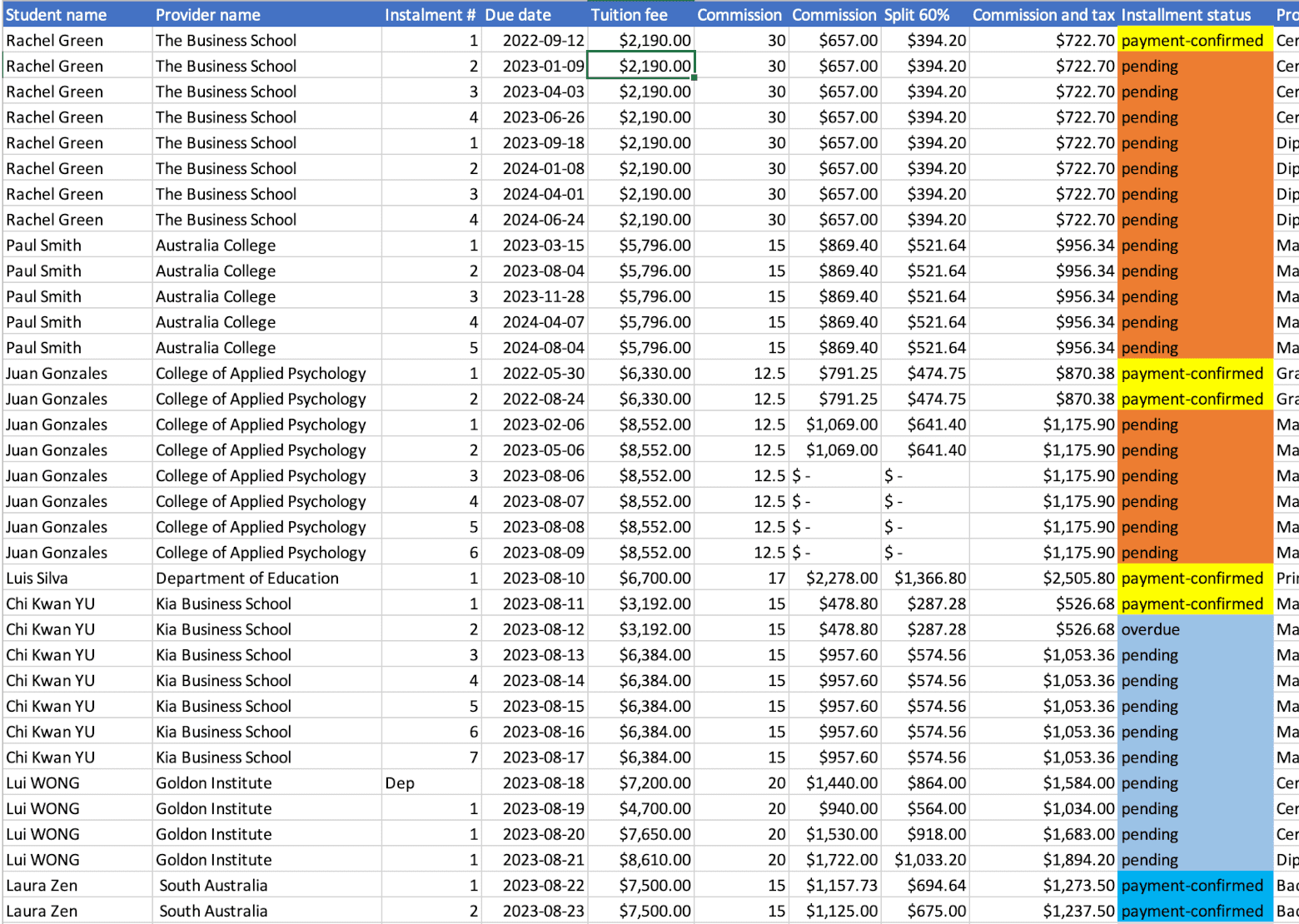
Spreadsheets are great… until they’re not. Automating your commission payouts using tools that integrate with your accounting software (think Xero or QuickBooks) can save you hours of frustration. It also reduces the risk of manual errors, which can lead to disputes.

## Step 5: Review and Adjust
Commission plans aren’t set-it-and-forget-it. Review performance data regularly to ensure your system is doing what it’s supposed to. If something’s not working, don’t be afraid to tweak it. Maybe your thresholds are too high, or your caps are too low. Flexibility is key to long-term success.

## Step 6: Communicate, Communicate, Communicate
Your team can’t read your mind. Be crystal clear about how the program works, what’s expected of them, and how they can succeed. Regularly check in with your reps to see how they’re feeling about the program. Their feedback can be invaluable in fine-tuning your approach.

# What to Do When Things Go Off Script

Let’s talk scenarios—because, let’s be real, life rarely goes according to plan. Here’s how to handle some common curveballs:

## When a Counselor Leaves
You’ve invested in their training, and now they’re off to greener pastures. What now?
- **Client Safeguards:** Keep a record of who they’ve worked with and what they’ve done. This makes it easier to pick up where they left off.
- **Transition Plans:** Have a system to reassign their students to another rep. This ensures continuity for your clients and minimizes disruption.
- **Non-compete Agreements:** Make sure you’ve got legal safeguards in place to prevent them from taking your clients. Consult with an attorney to ensure these agreements are enforceable in your region. I wouldn't really recommend this, but it's an option.

## When Someone Overperforms
Celebrate their success, but keep it sustainable:
- **Bonuses:** Offer one-time rewards instead of ongoing percentage increases. This keeps their motivation high without destabilizing your financial model.
- **Team Incentives:** Redirect some of the rewards into group bonuses to balance individual and team efforts. This encourages collaboration and reduces the risk of resentment among other team members.
- **Promotion Pathways:** If someone consistently outperforms, consider promoting them to a leadership role (if they fit the position and if that's something they want for their career). This gives them a new challenge and opens up opportunities for others to step up.

## When Teams Clash
Competition is healthy, but infighting isn’t.
- **Clear Rules:** Define who gets credit for what. For example, does the person who closed the deal get the commission, or does the initial contact person share it? Clarity prevents misunderstandings.
- **Conflict Mediation:** Be ready to step in as a neutral party if disputes arise. Sometimes, just having a structured conversation can defuse tension.
- **Performance Reviews:** Regularly review their performance to ensure they’re not burning out. Overperformance can sometimes mask underlying issues like stress or dissatisfaction.

## When the Unexpected Happens
From economic downturns to sudden surges in demand, external factors can throw a wrench in your plans. Stay agile:
- Revisit your commission structure during major shifts. What worked in a booming market might not work during a slowdown.
- Communicate openly with your team about any changes. Transparency goes a long way in maintaining trust.

# Wrapping It All Up

Sharing your commission isn’t just about splitting the pie; it’s about baking a bigger, better one together. When done right, it’s a powerful tool for building a motivated, loyal, and high-performing team. Sure, there are challenges, but with clear goals, transparent structures, and the right safeguards, you can navigate the tricky parts and come out ahead.

And remember, every agency is unique. What works for one might not work for another. So, take these tips, adapt them to your reality, and keep refining as you go. After all, the best teams aren’t built overnight—they’re built deal by deal, handshake by handshake.

Ready to get started? Your team’s future—and your bottom line—will thank you.

## Frequently asked questions

### Should education agents share commission with their counselors?

In most cases yes. Sharing commission incentivizes counselors to push harder for enrollments, fosters loyalty in a high-turnover industry, and gives your team genuine ownership, since their success directly affects their income. The catch is that it has to be structured carefully. Done without clear rules and safeguards, it can create disputes and eat into your margins.

### Does sharing commission help retain counselors?

Yes, it is one of the stronger retention levers in a high-turnover industry. When counselors receive a fair share of the earnings their work generates, they feel valued and are less likely to jump to a competitor. Commission sharing also turns employees into stakeholders with skin in the game, so their decisions align more closely with the agency's goals and they invest in its success.

### What guardrails should a commission-sharing program include?

Three are essential: caps to set an upper limit and prevent runaway payouts, thresholds so commission is only paid on revenue above a certain amount (avoiding rewards for subpar work), and clawbacks to recover commission if a student cancels or defaults. Pair these with a transparent structure and automated payouts that integrate with accounting tools like Xero or QuickBooks.

### What is a clawback in a commission-sharing program?

A clawback is a policy that lets you recover commission already paid to a counselor if the underlying enrollment falls through, for example if the student cancels or defaults. It protects your bottom line so you are not left having paid out on revenue you never ultimately kept. Alongside caps and thresholds, clawbacks are one of the core guardrails a sound commission plan should include.

### What is the difference between a fixed and tiered commission structure?

A fixed structure pays a flat percentage, such as 10 percent of net revenue, on every qualifying deal, which is simple and predictable. A tiered structure pays higher rates as counselors exceed targets, rewarding stronger performance but adding complexity. Whichever you choose, keep it transparent and easy to understand; if reps find the system confusing, they may disengage or distrust it.

### How should I structure commission so it's fair and not a source of conflict?

Start by defining why you're doing it, retention, growth or teamwork, since that shapes everything. Make the structure simple and transparent, whether a fixed percentage or tiered rates, because ambiguity breeds distrust. Set clear rules on who gets credit for a deal, communicate constantly, and review the plan regularly rather than treating it as set-and-forget.

### How can I automate counselor commission payouts?

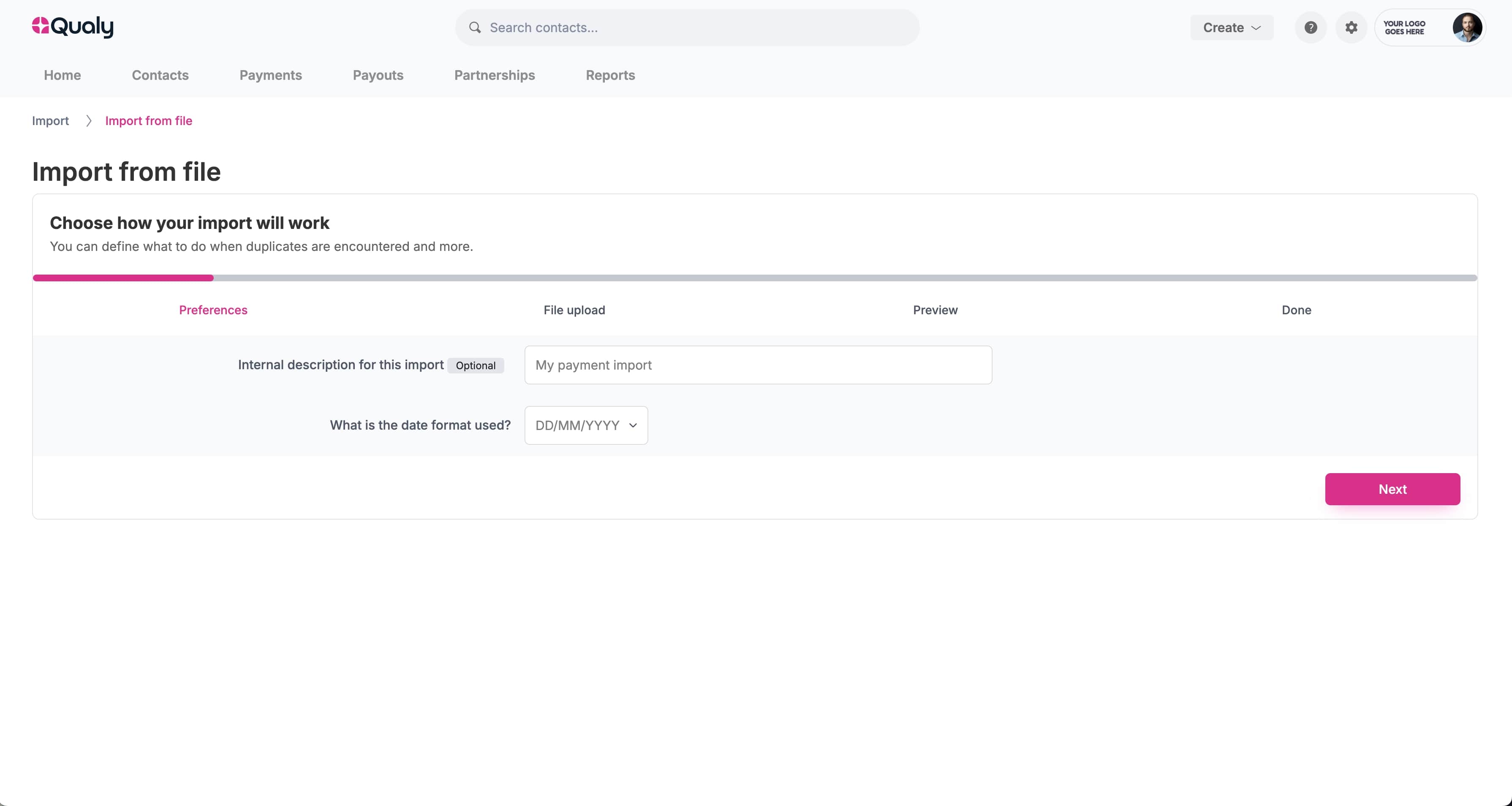
Move off spreadsheets, which work until they don't. Automating payouts with tools that integrate with your accounting software, such as Xero or QuickBooks, saves hours and cuts the manual errors that spark disputes. A platform like Qualy can link student payments directly to commission calculations and splits, so each counselor's share is worked out and paid accurately without manual tracking.

### How often should I review a commission-sharing plan?

Regularly, since commission plans are not set-and-forget. Review performance data on an ongoing basis to check the system is doing what you intended, and adjust when it isn't: maybe your thresholds are too high or your caps too low. Revisit the structure during major shifts like an economic downturn or a demand surge, and communicate any changes openly to keep your team's trust.

### How do I handle a counselor who massively overperforms?

Celebrate it, but keep it sustainable. Favor one-time bonuses over permanent percentage increases that can destabilize your financial model, redirect some rewards into team incentives to encourage collaboration, and consider a promotion if leadership genuinely fits their goals. Without caps or thresholds, one rep can otherwise pocket a disproportionate share of your profits.

### What is dependency risk in commission sharing?

Dependency risk is the danger that a high-performing counselor who leaves takes their clients or contacts with them, and a poorly designed commission structure can amplify it by concentrating relationships in one person. You reduce it by documenting client relationships and workflows so knowledge does not live in a single head, and by building a brand students trust beyond any individual rep.

### How should I handle it when a counselor leaves?

Plan for continuity, not just damage control. Keep records of which students each counselor has worked with, so another rep can pick up where they left off, and have a transition plan to reassign those students and minimize disruption. Treat the departure professionally rather than personally; handling it with grace protects your reputation and sets a positive example for the rest of your team.

### Should I use non-compete agreements with counselors?

You can, but it is a weak safeguard. Non-competes are one option to discourage a departing counselor from taking your clients, but enforceability varies a lot by region, so you would need an attorney to confirm they hold up where you operate. The article is candid that it would not really recommend them; building culture, documentation, and a strong brand protects you far better.

## Related articles

- [Should Agents Be Afraid That Their Counselors Will Start Their Own Agency?](/blog/should-agents-fear-their-counselors-will-start-their-own-education-agency.md)
- [The Discount Dilemma for Education Agents](/blog/discount-dilemma-education-agents.md)
- [The Emotional Value of Control: Why Flexibility in Payment Plans Wins Hearts](/blog/why-flexibility-student-payment-plans-wins-hearts.md)

## More on Qualy

**Industries**

- [For schools](/international-education/for-schools.md) — For international education schools
- [For agents](/international-education/for-education-agents.md) — For international education agents

**Support**

- [Training](/training.md)
- [System status](https://qualyhq.statuspage.io/) — Qualy system status
- [Product updates](https://changelog.qualyhq.com) — As we work on Qualy, here we spotlight what we’ve learned and updated across our products
- [Contact](/contact-us.md)

**Product**

- [Demo](/demo.md)
- [Enterprise](/enterprise.md)
- [Testimonials](/testimonials.md) — Learn what some customers have to say about Qualy
- [About](/about.md) — Learn about Qualy's mission and values
- [Blog](/blog) — International education payments blog by Qualy
- [Trust center](/trust.md)
- [API](/api.md) — Qualy API for international education payments
- [Zapier](/zapier.md) — Connect Qualy to 7,000+ apps with Zapier

**Legal**

- [General terms](/terms-and-conditions.md)
- [Payer terms](/terms-for-payers.md)
- [Privacy policy](/privacy-policy.md)
- [BECS DDR](/becs-dd-service-agreement.md)