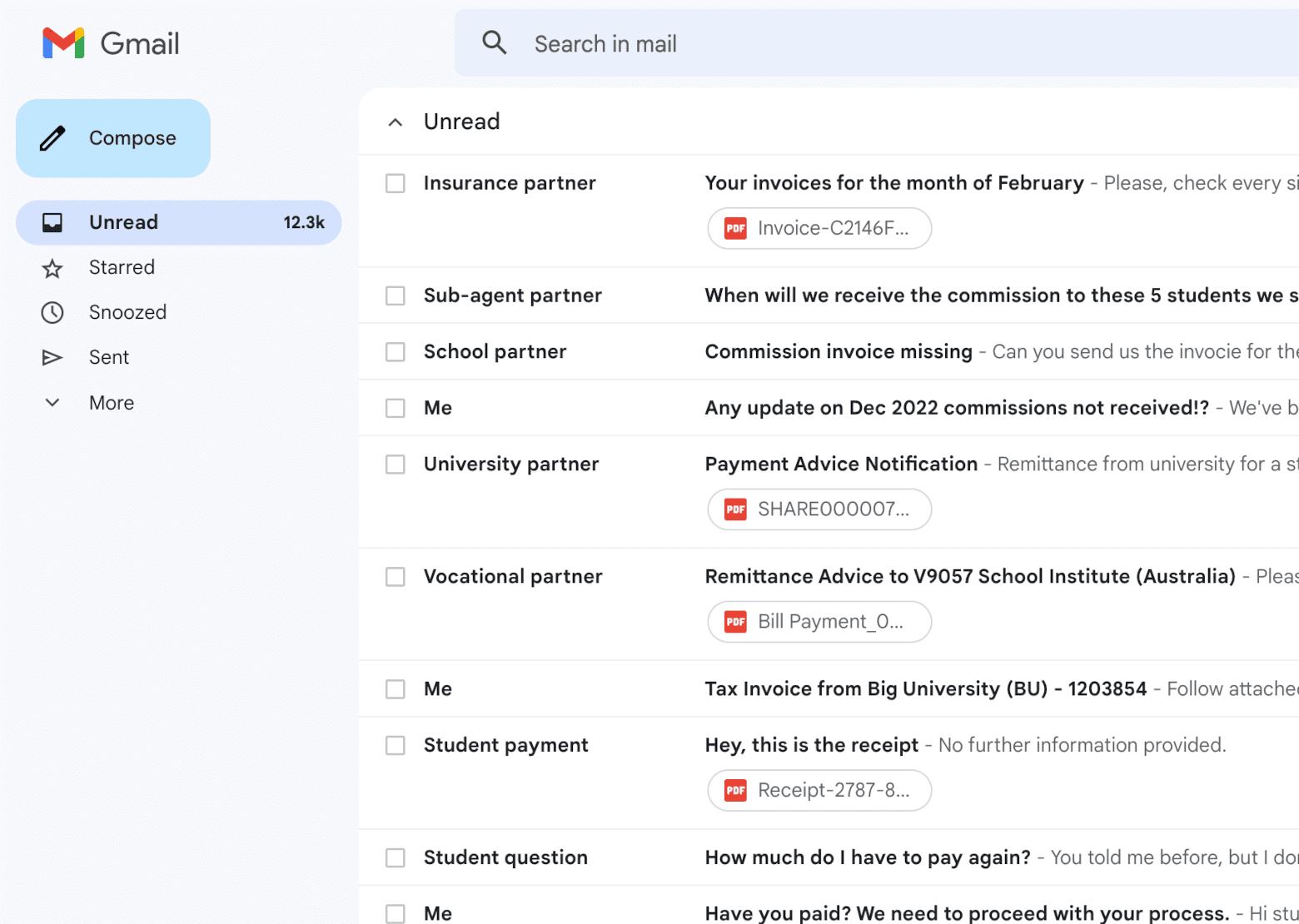
Remember that frantic Friday afternoon feeling? The one where a student is panicking because their visa deadline is looming, and they’ve just sent a bank transfer that’s currently floating somewhere in the digital ether? You’re staring at a bank statement, trying to figure out if “Transfer_777” is actually Maria from São Paulo or Joãosinho from Curitiba. It’s a mess. Honestly, it’s a headache we’ve all just accepted as part of the job for way too long.
But things are shifting. If you’re working in the education sector—whether you’re an agent helping kids see the world or a university registrar halfway across the globe—you’ve likely noticed that the way money moves is finally catching up to the way we live. In Brazil, Pix isn’t just a payment method anymore; it’s a verb. “I’ll Pix you” is the new “I’ll call you.” But the real game-changer for our industry isn’t just the basic transfer. It’s Pix Dinâmico.
It’s part of a global wave where countries are racing to kill the “pending” status. While Brazil has Pix, Europe is leaning on vIBANs, Australia has PayID, and Canada sticks to its Interac roots. They all want the same thing: speed. But Pix? It’s doing something special that changes how we actually work every day.
What’s the big deal with a QR code?
Let’s be real for a second. Standard Pix is great for sending fifty bucks to a friend for pizza. But for a school or a large agency? It’s a bit of a nightmare for the accounting team. You get a notification that money arrived, but you have no idea who it’s from or what it’s for.
Enter Pix Dinâmico.
Instead of a static key, you’re generating a unique QR code for every single transaction. This code isn’t just a “pay me” button. It’s packed with metadata. It knows the student’s name, their enrollment number, and exactly how much they owe down to the last centavo. When they scan it, the app fills in everything. No typos. No “oh, I forgot to add the extra fee.” It just works.
For an agent, this is like going from a paper map to a GPS that actually talks to you. You stop being a debt collector and start being a consultant again. It’s about the experience, right? You want the student to feel the excitement of their trip, not the frustration of a buggy payment portal.
The global context: It’s a crowded race
Now, I know what you’re thinking. “Isn’t everyone doing this?” Well, sort of. While we’re focusing on Pix, it’s worth looking at how our neighbors are handling the same problem. It helps to see why Pix is such a standout.
In Europe, they’ve perfected the vIBAN (Virtual International Bank Account Number). Think of a traditional IBAN as a massive apartment building with one single mailbox at the front. Everyone’s mail goes into that one box, and someone has to sort through thousands of envelopes. A vIBAN gives every single student their own private mailbox. It’s great for reconciliation, but it still feels like a “bank transfer.” It lacks that instant, smartphone-native “snap” that Pix has.
Then you have Australia’s PayID . This is quite slick. It lets people link their bank accounts to something they actually remember—like a phone number or an email. When a student enters it, the school’s name pops up instantly. “Are you sure you want to pay Sydney Language School?” It’s a tiny moment of validation that builds a huge amount of trust. It’s fast, sure, but it’s still very much a manual entry process.
And then there’s Canada with Interac e-Transfer . It’s a Canadian staple, like maple syrup. But it’s quirky. It often requires a security question and answer. Can you imagine the chaos of an agent trying to guess the “secret answer” for five hundred different students? “What is my dog’s name?” It’s a recipe for a bottleneck.
While Europe and Australia have their own cool toys, Pix Dinâmico feels like it’s playing a different game entirely because of how it handles data.
The reconciliation dream (Yes, it’s actually possible)
We need to talk about reconciliation. It’s the least sexy part of the education business, but it eats up so much time. Usually, it’s a manual slog. Someone has to match names, dates, and amounts. It’s tedious, it’s prone to human error, and frankly, it’s a waste of your staff’s talent.
With Pix Dinâmico, the reconciliation happens almost instantly. Because the payment is tied to a specific ID, your system knows the moment the money clears. There’s no guessing game. Imagine a world where your “Paid” status updates in your CRM the second the student hits “Confirm” on their phone.
That’s not just efficient; it’s a massive weight off your shoulders. It means you can send out confirmation letters faster. It means the school can guarantee that spot in the dorms before it’s gone. You know what? It actually makes you look way more professional. You aren’t the agency waiting three days for the bank to “process” things. You’re the one moving at the speed of the internet.
Wait, everyone expects this now?
Here’s a funny thing about technology. It starts as a luxury and becomes a baseline expectation in about five minutes. A few years ago, students were okay with waiting. Now? If they can’t pay for their tuition as easily as they pay for a street-food pastel, they get nervous.
In Brazil, Pix is the gold standard. If an agency or a school doesn’t offer a smooth Pix option, it looks dated. It’s like having a website that isn’t mobile-friendly. It sends a subtle signal that you might not be up to speed with other things, either.
Think about the psychology of a parent. They are sending their child halfway across the world. They are already stressed. The last thing they want is a confusing, old-school payment process that feels like it’s from 1998. Providing a familiar, fast, and secure way to pay builds trust. It says, “We get you. We’re modern. We’ve got this handled.”
Let’s get creative: The Pix “Parcelado” twist
Now, this is where it gets really interesting. Brazilians love installments. We “parcela” everything—from sneakers to master’s degrees. Traditionally, this was done via credit cards or the infamous boleto. But credit cards have high fees and limit-related issues. Boletos? They take forever to clear and are far too easy to forget on a kitchen counter.
Pix is moving into this space in a very clever way. You can now set up “Pix Parcelado.” It’s basically the modern version of a payment plan. You can issue a series of dynamic QR codes that act like a digital installment book.
Here’s a scenario: A student wants a six-month English course in Dublin. Instead of one massive, scary bill, you give them six Pix QR codes. Each one is scheduled. Each one is unique. It’s safer than a boleto because there’s no risk of “faking” the confirmation—the money is either there or it isn’t. Plus, for the agent, you get to see who’s paid and who hasn’t in real-time. No more “the check is in the mail” excuses.
It’s also a great way to handle partial payments. Maybe they want to pay half by credit card to get the points and half by Pix to save on a fee. Pix Dinâmico makes that split easy to manage without your spreadsheets turning into a chaotic mess of half-paid rows.
The “Hidden” Benefits: Late fees and early birds
Let’s talk about the stuff no one likes to discuss: late payments. Dealing with them is awkward. It strains the relationship between the agent and the student. But with dynamic codes, you can actually build the logic right into the payment.
You can set an expiration date. You can even have the amount change automatically if they pay after the deadline—or better yet, give a little “early bird” discount that expires on Tuesday. It’s all automated. You don’t have to be the “bad guy” sent to remind them about the 2% late fee. The system just handles it.
Honestly, it’s these little things that save your sanity. You’re busy enough dealing with visa changes, flight delays, and students who lost their passports. Why add “calculating late interest” to your to-do list?
Speaking of visas… the “Proof of Funds” scramble
We’ve all been there. A student needs proof of funds for a visa application, and they need it yesterday. They’ve transferred the money, but the bank hasn’t issued the receipt, or the transfer is still “pending.”
Since Pix is instant, that proof is instant. The moment the transaction is done, you have a digital record that is undeniable. It speeds up the entire pipeline. When you can move a student from “interested” to “fully paid and enrolled” in a matter of minutes rather than days, your conversion rate naturally goes up. Momentum is a real thing in sales. Don’t let a slow payment process kill it.
A little digression on human error
I once knew an agent who spent an entire weekend panicking because a large payment for a flight and tuition package went to the wrong account because of one tiny typo in a bank string. One number. That’s all it took.
The student was devastated, the agent was sweating, and it took weeks to sort out. With QR-based payments, that risk almost vanishes. You aren’t typing in long strings of random numbers. You’re scanning. It’s simple. It’s human-proof. And in a high-stakes business like international education, “human-proof” is a very beautiful thing.
Why this matters for the “new” education market
The world is getting smaller, but it’s also getting faster. The next generation of students grew up with smartphones in their hands. They don’t understand why anything should take three business days. To them, three days is an eternity.
By embracing tools like Pix Dinâmico, you aren’t just making your life easier. You are meeting your customers where they are. You are speaking their language. In a competitive market where students have a lot of choices, the agency that is the easiest to work with usually wins.
So, let’s stop the Friday afternoon bank-statement-hunting ritual. Let’s move past the manual reconciliations and the “did you send the proof of payment?” emails. There’s a better way to work, and it’s right there in that little black-and-white square.
It’s about more than just money moving from point A to point B. It’s about clearing the path so you can focus on what you actually love: helping people change their lives through education. And honestly? That’s much more fun than staring at a spreadsheet anyway.
Does it take a bit of a mindset shift? Sure. But once you see that first “Payment Received” notification pop up instantly, with the student’s name and course details perfectly attached, you’ll never want to go back. It’s one of those rare times where the technology actually lives up to the hype.
Think about your current process. Where are the friction points? Where are you losing time? If the answer is “anything to do with money coming from Brazil,” then it might be time to look at Pix a bit more closely. It’s not just a trend; it’s the new way of doing business. And frankly, it’s about time.